
22 Healthy Yellow Foods to Add to the Diet
Incorporating a variety of vibrant, yellow foods into your diet not only adds a burst of color to your plate but also introduces a range of health benefits.
See also 8 Incredible Herbs to Lower Blood Pressure and 27 Foods That Boost the Immune System.
The yellow color of these foods often signifies the presence of essential nutrients like vitamin C, vitamin A, dietary fiber, and a range of powerful antioxidants.
From the zesty tang of lemons to the sweet juiciness of mangoes and the earthy goodness of yellow bell peppers, these foods can support immune function, enhance skin health, promote digestion, and reduce the risk of chronic diseases.
In this article, I’ll take you through 22 healthy yellow foods that can revive your meals and elevate your overall well-being.
Yellow Foods Nutrition Facts
Common nutrients in yellow foods include:
Carotenoids:
- Beta-carotene
- Alpha-carotene
- Lutein
- Zeaxanthin
- Cryptoxanthin
Vitamins:
- Vitamin CVitamin A
- Vitamin B1 (Thiamine)
- Vitamin B2 (Riboflavin)
- Vitamin B3 (Niacin)
- Vitamin B6 (Pyridoxine)
- Folate (Vitamin B9)
- Vitamin K
Minerals:
- Potassium
- Magnesium
- Manganese
- Copper
- Iron
- Selenium
- Phosphorus
Dietary Fiber
Antioxidants:
- Quercetin
- Rutin
- Anthocyanins
- Flavonoids like kaempferol
Enzymes:
- Bromelain
- Papain
Phytochemicals:
- Curcumin (found in turmeric)
- Capsaicin
30 Healthy Yellow Foods to Eat
Here is a list of 30 healthy and commonly available yellow foods to include in your diet.
1. Ripe Bananas
Ripe bananas can fall between yellow (the skin) and white or cream-white (the flesh).
This fruit is commonly known for its high potassium levels, an essential mineral for various bodily functions, including regulating blood pressure, maintaining heart function, supporting muscle function, and maintaining body-fluid balance.

Bananas are also a good source of vitamin B6, which is crucial for metabolism, brain health, and neurotransmitter production.
Additionally, it’s a good source of fiber that can boost digestion and promote fullness.
Also, its natural sugar content makes it an ideal pre or post-workout snack for boosting energy levels quickly.
2. Yellow Bell Peppers
Yellow bell peppers are not only visually appealing but also brimming with nutrition.
They are a robust source of vitamin C, an essential antioxidant that strengthens the immune system, promotes skin health, and aids in collagen production.

These peppers also provide dietary fiber for digestive regularity and potassium, which helps regulate blood pressure and maintain a healthy heart.
Furthermore, yellow bell peppers offer a dose of vitamin A, which is crucial for good vision and overall well-being.
3. Yellow Lemons
Yellow lemons, with their bright and zesty appearance, offer many health benefits.
They are renowned for their high vitamin C content, which is a potent antioxidant that bolsters the immune system, helping the body fight off infections and maintain overall health.

Additionally, lemons are known to promote healthy skin by aiding in collagen production, which reduces the signs of aging and contributes to a radiant complexion.
Their natural acidity can also support digestion, helping to alleviate indigestion and heartburn.
Furthermore, the vitamin C in lemons is associated with a reduced risk of cardiovascular disease and stroke.
Also, vitamin C promotes the absorption of iron. So, eating lemons can enhance iron absorption, which can benefit those combating anemia.
4. Pineapples
Pineapples, with their sweet and tropical flavor, are not only a delicious treat but also a source of numerous health benefits.
These fruits are rich in vitamin C and bromelain, an enzyme with anti-inflammatory properties, which can aid in reducing inflammation, particularly in conditions like arthritis and muscle soreness.

This enzyme is also linked to improved digestion, as it assists in breaking down proteins, potentially reducing digestive discomfort.
Moreover, the bromelain in pineapples is believed to have potential cancer-fighting properties, although more research is needed in this area.
Overall, incorporating pineapples into your diet can be a delicious way to reap these health benefits.
5. Mangoes
Mangoes are a tropical delight, and their vivid yellow flesh is loaded with goodness.
They offer a generous serving of vitamin C and vitamin A, which is essential for healthy vision.

Mangoes are also high in dietary fiber, which aids in digestion and contributes to a sense of fullness.
Moreover, their natural sweetness and juiciness make them a delightful and nutritious snack.
6. Corn
Corn is a starchy vegetable that offers dietary fiber, promoting digestive regularity and satiety.
It’s also a source of folate, a B vitamin crucial for DNA synthesis and cell growth.

Corn also contains vitamin B6, which supports brain and nervous system function and provides essential nutrients.
Furthermore, it offers a range of antioxidants that protect cells from oxidative stress and support overall health.
That being said, most corn in the market is GMO, but if you’re lucky, get organic corn, especially from the farmer’s market, well and good. If not, you can easily obtain the said nutrients from other foods in this list.
7. Yellow Squash
Yellow squash not only adds a splash of vibrant color to your plate but also provides essential nutrients.
They offer dietary fiber for digestive health and vitamin C for immune support.

Moreover, their mild flavor makes them a versatile addition to various dishes, whether sautéed, grilled, or included in a salad.
The carotenoids responsible for their yellow hue also provide antioxidant protection against cellular damage.
8. Papayas
Papayas are a tropical treasure packed with nutrients.
For one, they contain a substantial amount of vitamins A and C.

They are also known to contain papain, an enzyme that aids digestion and may reduce inflammation, making them an ideal addition to a post-meal fruit salad or smoothie.
9. Yellow Lentils
Yellow lentils are a plant-based protein source, making them an excellent choice for vegetarians and vegans.
These legumes are also high in dietary fiber, which, besides promoting digestive health, can maintain stable blood sugar levels.

Furthermore, yellow lentils are a good source of folate, which is crucial during pregnancy for fetal development.
Whether used in soups, stews, or dal, yellow lentils are a nutritious and versatile addition to various dishes.
10. Butternut Squash
Butternut squash is a delightful low-calorie winter vegetable, rich in nutrients like vitamin C, potassium, fiber, vitamin B6, magnesium, calcium, and iron.
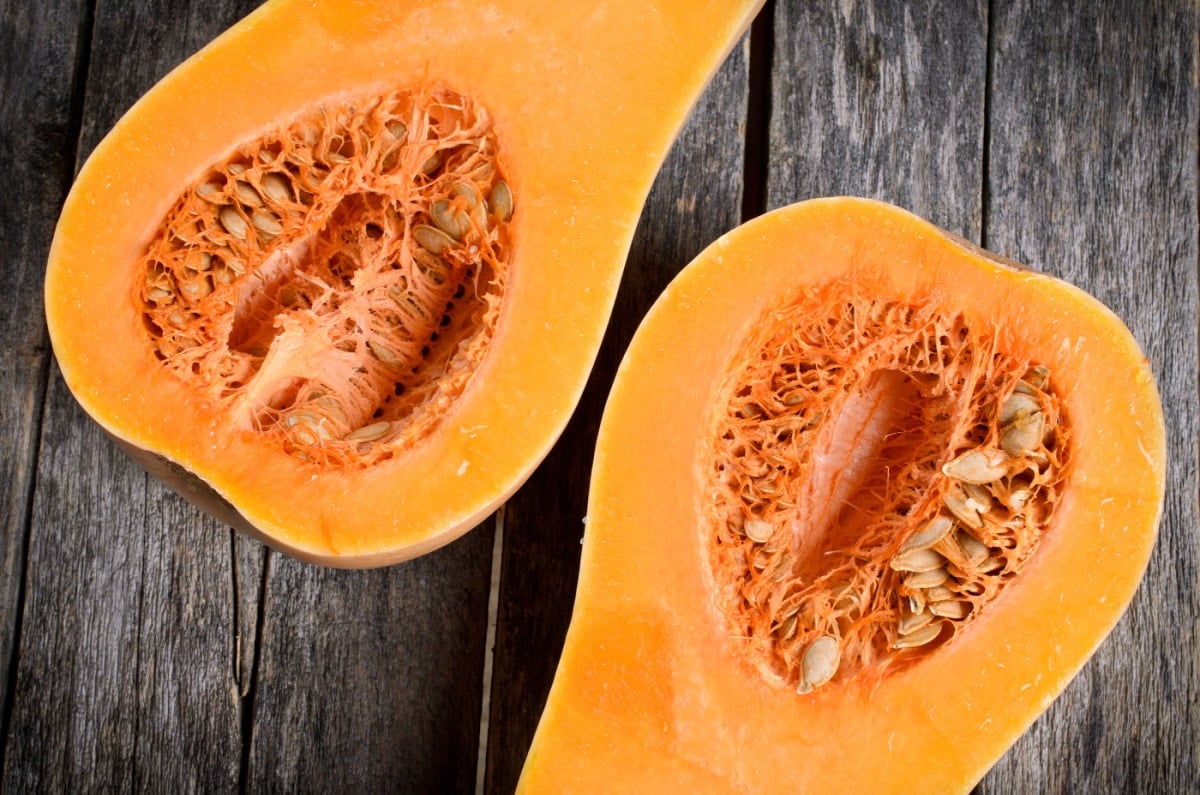
Its vibrant orange color is indicative of its carotenoid content, providing antioxidant protection against oxidative stress, among other benefits.
Roasted, mashed, or used in soups, butternut squash is a versatile ingredient that adds flavor and nutrition to various culinary creations.
11. Apricots
Apricots, with their tender flesh and sweet flavor, offer a range of health benefits.
They are a rich source of vitamins, particularly vitamin A, which is essential for maintaining good vision, skin health, and overall well-being.
This vitamin also acts as an antioxidant, protecting cells from damage caused by free radicals.

Additionally, apricots provide a good amount of dietary fiber, which supports digestive regularity and helps in preventing constipation.
They also contain potassium, which contributes to heart health, and iron, which is valuable for preventing anemia.
Apricots are also known for their role in promoting skin radiance and aiding collagen production due to their high vitamin C content.
Furthermore, the antioxidants found in apricots, such as beta-carotene and quercetin, have potential anti-inflammatory and cancer-fighting properties, making these fruits a nutritious addition to a balanced diet.
12. Yellow Tomatoes
Yellow tomatoes, like their red counterparts, offer various health benefits.
They are rich in antioxidants, particularly beta-carotene and lutein, which contribute to eye health by reducing the risk of age-related macular degeneration and cataracts.
Beta-carotene also acts as a precursor to vitamin A, which supports good vision and overall well-being.

They are also high in vitamin C and provide a substantial amount of fiber.
In addition, they contain additional antioxidants like quercetin and kaempferol, which may have anti-inflammatory and cancer-fighting properties.
You can add yellow tomatoes to salads, sandwiches, and salsas, to provide both flavor and nutrition to your meals.
13. Yellow Beets
Yellow beets are a nutrient-packed root vegetable. They provide folate, essential for cell division and DNA synthesis, and dietary fiber, promoting digestive health and a feeling of fullness.
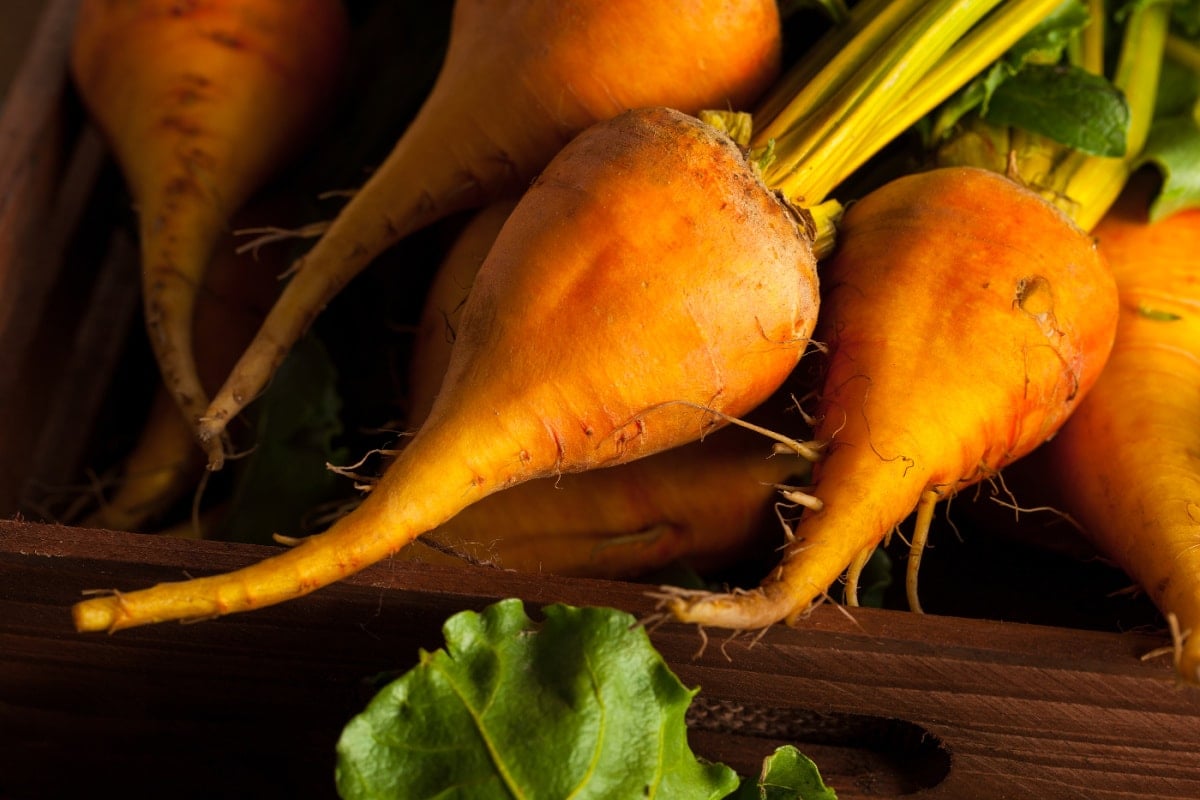
Additionally, yellow beets offer iron, supporting the production of red blood cells, and potassium, which helps regulate blood pressure and maintain a healthy heart.
Their sweet, earthy flavor makes them a flavorful addition to salads, roasts, and vegetable medleys.
14. Turmeric
Turmeric is a spice well-known for its active compound, curcumin, which is a powerful anti-inflammatory and antioxidant.
It has been used for centuries in traditional medicine for its potential healing properties.

Curcumin can reduce the risk of chronic diseases, alleviate arthritis symptoms, and support overall health.
In addition, it adds a vibrant yellow color and a unique earthy flavor to a wide range of culinary dishes.
15. Yellow Onions

Yellow onions are a versatile ingredient used in various culinary dishes. They offer a dose of vitamin C, dietary fiber, and the flavonoid quercetin, which has antioxidant properties and may contribute to overall health.
Their strong, savory flavor is perfect for adding depth to soups, stews, and sautés.
16. Starfruit
Starfruit, also known as carambola, is a tropical fruit that not only delights the taste buds but also offers a range of health benefits.
One of its notable advantages is its high vitamin C content, which is essential for a robust immune system, helping the body fend off infections and illnesses.
This vitamin also plays a vital role in skin health, supporting collagen production and maintaining a youthful complexion.

Starfruit is also a good source of dietary fiber, promoting digestive regularity and a feeling of fullness, which can assist in weight management and overall gut health.
Additionally, starfruit contains antioxidants like quercetin and epicatechin, which have potential anti-inflammatory and anti-cancer properties.
The fruit’s natural sweetness makes it a delectable addition to fruit salads, desserts, or enjoyed alone.
However, it’s important to note that starfruit may not be suitable for individuals with kidney issues, as it contains substances that can be harmful to those with compromised kidney function, so consulting a healthcare professional is advisable for such individuals.
17. Yellow Plums
Yellow plums are a delightful and nutritious fruit that can provide a healthy dose of fiber, vitamin C, and vitamin K, crucial for blood clotting.

Whether enjoyed fresh or used in jams, preserves, or desserts, yellow plums offer a sweet and tangy flavor, along with their potential health benefits.
18. Yellow Carrots
Yellow carrots offer a vibrant alternative to the more common orange varieties.
They provide vitamin A, essential for good vision, and vitamin C, which supports the immune system.

Yellow carrots are also a source of dietary fiber, promoting digestive health.
Their natural sweetness and versatility make them a delightful addition to salads, soups, and side dishes.
19. Yellow Apples
Yellow apples are known for their mild sweetness and crisp texture.

They offer various nutrients like vitamin C, potassium, phosphorus, and fiber, and their versatility makes them an excellent choice for snacking, baking, or adding to salads and desserts.
20. Yellow Potatoes
Yellow potatoes provide essential nutrients, including vitamin C, vitamin B6, and dietary fiber.

Whether roasted, mashed, or used in stews, yellow potatoes are a versatile addition to various dishes, offering flavor and nutrition.
21. Yellow Wax Beans
Yellow wax beans are a nutrient-rich vegetable that provides dietary fiber, promoting digestive regularity, and folate, which is key in DNA synthesis and cell division.
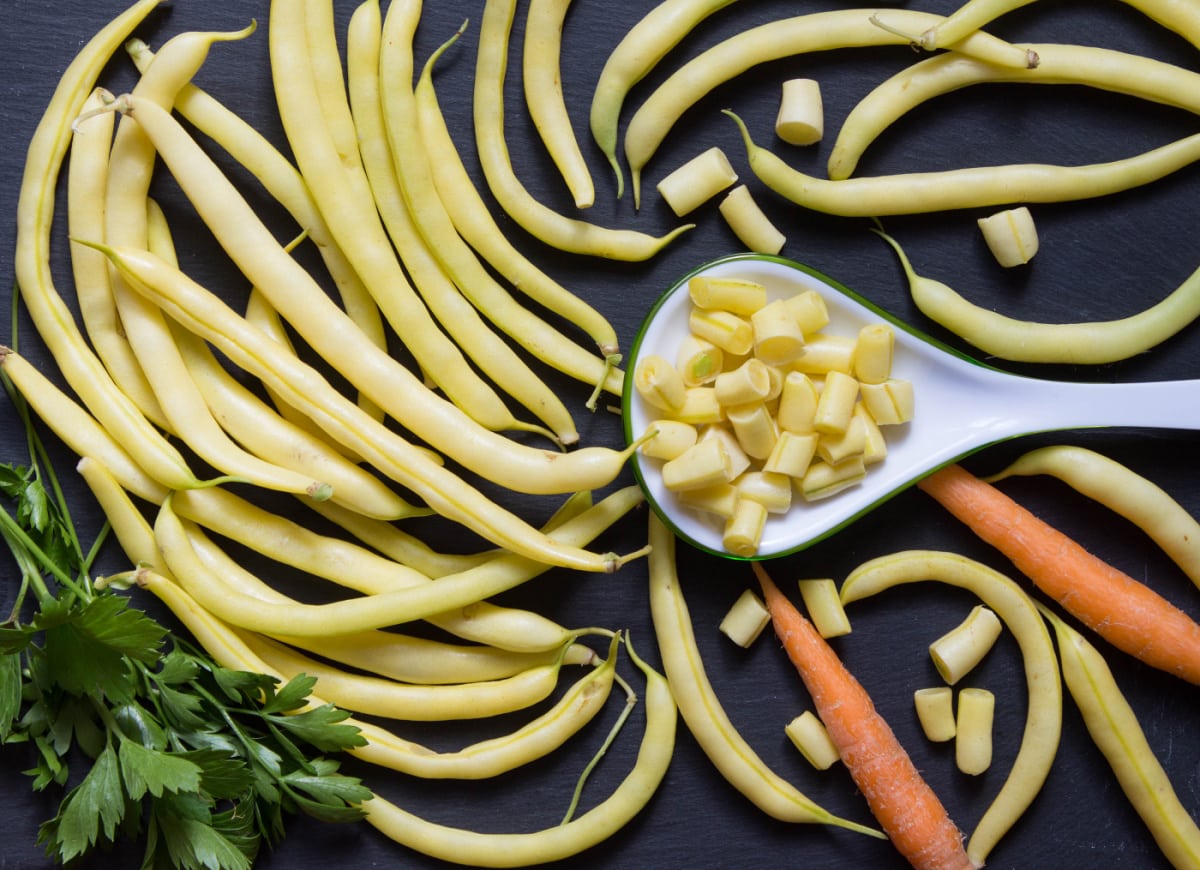
More than the benefits, their vibrant color and crisp texture make them a valuable addition to salads and side dishes.
22. Yellow Cauliflower
Yellow cauliflower, a colorful variation of the traditional white variety, offers numerous health benefits.

Like its white counterpart, yellow cauliflower is an excellent source of fiber and essential vitamins, particularly vitamin C.
In addition, their vivid yellow hue is due to the presence of additional beta-carotene, a precursor to vitamin A, which, as mentioned, contributes to good vision, skin health, and immune function.
Related Articles:
Final Thoughts
The world of yellow foods offers both delicious flavors and essential nutrients, and the above yellow foods can elevate your diet and enhance your well-being.
From the immune-boosting properties of citrus fruits to the antioxidant-rich vegetables, these yellow foods bring a variety of tastes and health benefits.
So whether you’re enjoying sweet mangoes or the crunch of yellow corn, you’re not just satisfying your taste buds but also providing your body with vitamins, minerals, and fiber.
That being said, consuming various foods can enhance their benefits since different foods may vary in their nutrient content.
If you enjoyed this post, “22 Healthy Yellow Foods to Add to the Diet ”, and would love to see more, join me on Youtube, Instagram, Facebook & Twitter!
Get discounted copies of my cookbook here.
Fortunately, because of the ads on our website, readers and subscribers of Healthier Steps are sponsoring many underprivileged families. Thank you!
Also, please leave a star rating! ;-)


Glad you found the information useful. 😊
Lots of great information here,
that’s why i have read it fully
Thank you for taking the time to read the article fully! I appreciate it. 🥰