Best High Fiber Fruits
Best high fiber fruits:
Fruits are very nutritious, due to all of the vitamins and minerals. But also, some fruits have a very high fiber content. Eat some of the best high fiber fruits to help improve your health.
Fiber is an essential compound that can help with weight loss, sugar levels, and digestion. The majority of people fall short of the daily fiber recommendation. Here are some best fruits high in fiber:
Passion fruit:

In your local grocery shop, passion fruit isn’t one of the more prevalent fruits. It occasionally coexists with other tropical fruits, such as guavas.
The juicy, edible seeds inside the passion fruit, which has a thick yellow or purple covering, are yellow and have a sweet-tart flavor.
With 26 grams of fiber in only 1 cup, this tropical fruit is among the richest in fiber and vitamin C while being low in fat and calories.
Apple:

Eating the peel of the fruit will increase its fiber content. A medium apple contains roughly 5 grams of fiber with the skin on, but if you peel it, that amount lowers to 2 grams.
Eat sliced apples with butter, top a meal with mushy apples and raisins sauce, or enjoy the wonderful crunch that thickly sliced apples add to a fresh watercress salad.
Guava:

Guavas are similar to apples in that they may be peeled, chopped, and eaten the same way. The seeds are also edible.
There are numerous colors of guavas. The fruit’s flesh may range from yellow to pink to red, while the skin can be red, or purple.
Raspberries:

Raspberries have a vibrant red hue in part due to anthocyanins, an antioxidant.
Flavanols, procyanidins, and ellagitannins, which are abundant in this tiny berry, may help lower the incidence of certain malignancies, heart disease, hypertension, and osteoporosis.
The season of summer is not necessarily the only time to enjoy fresh raspberries. They are frozen when they are at their best, which preserves all of their beneficial nutrients and makes them accessible all year long.
You can get frozen versions of nearly every fruit. This lessens spoilage and can be more affordable than purchasing fresh food.
Blackberries:

When it comes to fiber content, these berries can compete with raspberries.
Blackberries and raspberries are two of the fruits with the highest fiber content, each having eight grams per cup. Blackberries, whether they are fresh or preserved, are a good source of vitamin C and vitamin K.
Avocado:
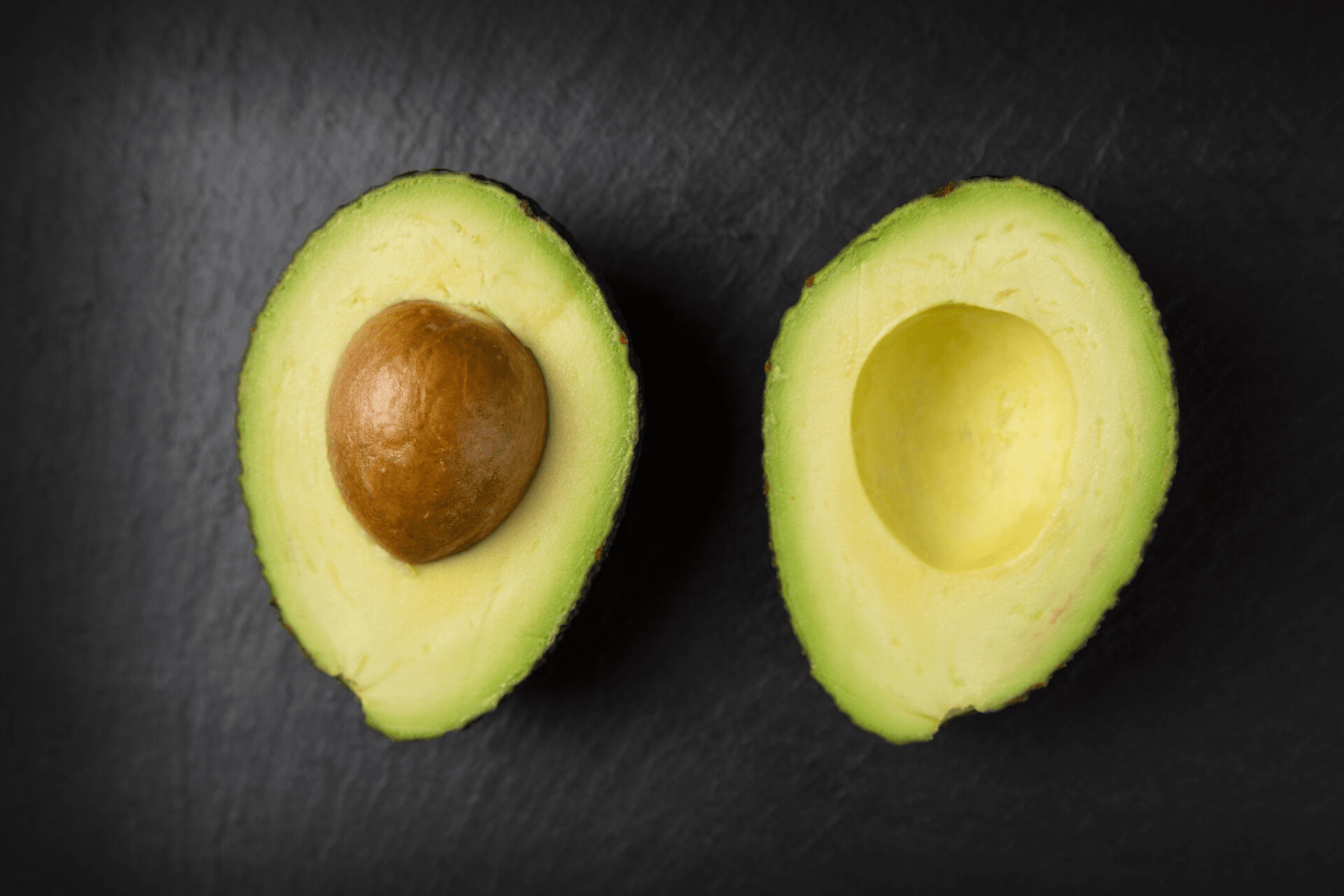
Avocados contain a lot of beneficial mono- and polyunsaturated fats, avocados are a special kind of fruit.
About five grams of fiber make up half of an avocado, which is also a good source of pantothenic acid, folate, vitamin K, and copper.
Two eye-healthy compounds, lutein and zeaxanthin, give avocados their vibrant green color. These creamy, green powerhouses weigh about the same as half an average-sized avocado and contain 7 grams of fiber per 100 grams.
Add some guacamole to your sandwich or salad, have a slice or two of avocado toast for breakfast, or process some avocado to make a rich, dairy-free smoothie.
Kiwi:

Kiwis are pleasantly sweet and tangy at the same time, with a fuzzy brown exterior and a vivid green interior.
Per cup of sliced fruit, they also include five grams of fiber. Kiwifruits are a great source of potassium, vitamins C and E, and fiber, three minerals that are frequently lacking in American diets.
Pears:

Much like apples, pears come in a variety of flavors, textures, and hues. They have recently become much more popular in desserts, drinks, and seasonal fare.
Pears are high in fiber, with roughly six grams in a medium-sized piece of fruit, regardless of the variety.
They go well with a variety of flavors and are versatile fruit. They can be used over oatmeal, baked into muffins, or tossed in a chopped form on top of a salad. Pears can also be baked with a sprinkle of cinnamon
Blueberries:

One cup of the fruit has 4 grams of fiber. The berry family as a whole usually has a lot of fiber, and blueberries are no exception.
Despite having less fiber than blackberries and raspberries, they are nevertheless a fantastic source of fiber.
Anthocyanins, an oxidant that may help avoid cancer and cardiovascular disease while enhancing brain function, are partially responsible for their stunning blue color.
Pomegranate:

Pomegranate juice is generally renowned for being delicious and healthy, so it stands to reason that the remainder of the fruit would also be quite advantageous.
Each fruit in this natural marvel contains more than 10 grams of fiber. The seeds alone are incredibly nutrient-dense.”
Pomegranate seeds can be used to offer a healthy, contrasting, yet complimentary flavor to savory salads.
Mango:

This fruit is one of the highest-fiber fruits available, containing roughly 6 grams of fiber per mango. However, it also includes a significant quantity of sugar, so avoid eating too many of these.
The more vibrant your fruit salad or morning smoothie, the better. As a general rule of thumb, colorful and exotic fruits tend to score higher on the fiber scale.
More articles about fruit:
- Best Fruits for Heart Health
- Best Immunity Boosting Fruits
- Zinc Rich Fruits
- Best Fruits for Diabetics
- Dry Fruit Benefits
- Best Fruits for Backpacking
- Fruits to Eat During Pregnancy
- Best Fruit for Eye Health
If you enjoyed this post about the Best High Fiber Fruits and would love to see more, join me on Youtube, Instagram, Facebook & Twitter!
Get discounted copies of my cookbook here.
Fortunately, because of the ads on our website, readers and subscribers of Healthier Steps are sponsoring many underprivileged families.