
Healthy Eating On a Budget: 20 Easy Ideas
Healthy Eating on a Budget:
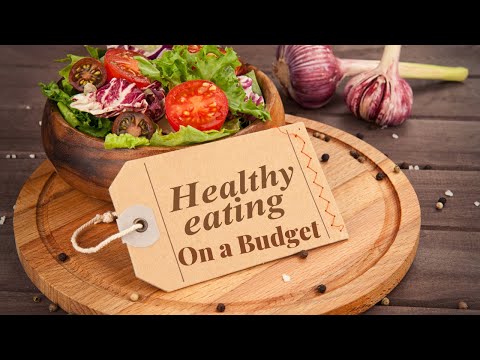
Are you wondering about healthy eating on a budget? Even when you know what a healthy diet looks like and what foods to choose from, paying for them can be difficult, especially when you’re working under a tight budget.
However, there are different practices you can incorporate into your life to help you stick to your budget and even save more money while eating healthy.
20 Ways to Eat Healthy When On a Budget.
1. Plan your meals
Planning your meals is a great way to make sure you are eating healthy on a budget. When planning your meals, make sure you are including all the food groups and getting the nutrients your body needs.
One way to plan your meals is to create a grocery list that includes all the healthy foods you want to eat for the week. Another way to plan your meals is to meal prep. Meal prepping means making ahead some or all of the food you will eat during the week. This can save you time and money because you can cook in bulk and have food ready to eat when you need it.
When you take the time to plan your meals, you are more likely to stick to your budget and eat healthy foods. Planning ahead can help you save money and time, and it can also help you make better choices for your health.
2. Eat seasonally
Eating seasonal fruits and vegetables is one of the best ways to eat healthy on a budget. Seasonal produce is typically cheaper than out-of-season produce. Plus, it tastes better! When fruits and vegetables are in season, they are at their peak of freshness and flavor.
Eating locally grown produce is another great way to eat healthy on a budget. Local produce is typically cheaper than imported produce. Plus, it supports local farmers and businesses.
In general, whole foods are going to be healthier for you and your wallet than processed foods. Processed foods also tend to be less nutritious. So, focus on filling your plate with healthy, whole foods like fruits, vegetables, legumes, and grains
Besides, eating what’s in season also helps promote local farmers, which generally contributes to your local economy.
Buy perishable foods in quantities you’ll use. Always buy fresh produce you can finish within a week to avoid wastage and loss of money. If you have to purchase produce for more than a week, you better go for frozen versions.
3. Avoid wastage
One of the best ways to eat healthy on a budget is to waste less food. According to the USDA, the average family wastes about 25% of the food they buy. That means that for every $100 you spend on groceries, you’re wasting $25 worth of food.
There are a few simple ways to avoid food wastage. First, make sure you’re only buying what you need. That means making a list before you go grocery shopping and sticking to it. Second, learn how to properly store your food so it doesn’t go bad as quickly. This includes things like keeping fruits and vegetables in the fridge, freezing vegetables and fruits, and so on.
4. Cook at home
Income can be a barrier to buying and preparing healthy meals. But if you have time or can spare some, cooking at home is the most effective and healthy way to eat on a budget.
With good planning, there are things you can do to make cooking at home easier, enjoyable, and most importantly, cost-effective.
For instance, pick a day each week to plan your meals for the upcoming week. Make a list of the groceries you’ll need for each meal but first, take a look in your fridge and pantry and make use of what you already have. If you have anything at home that can substitute what you had written on your list, go for it. Using what you already have will also help prevent spoilage and food wastage.
5. Stick to your grocery list
It’s easy to get attracted to other things you didn’t include in your grocery list. But unless it’s something you genuinely forgot to write down, always stick to your list to avoid unintended purchases and expenses.
And the fact that you didn’t write it down means it’s not really important, and you can comfortably do without it.
6. Buy non-perishable items in bulk
You can get items such as dry legumes and dry fruits or whole grains from online retailers like your local store’s website or Amazon. Also check out warehouse stores and grocery stores that sell in bulk. This will help you buy what you need, and in case they have free delivery, it will save you on gas and time. However, ensure you countercheck the expiry dates and avoid anything with a short expiration date.

7. Avoid prepared foods:
Even if you feel like ready-made foods will be a quick alternative to cooking, avoid them at all costs unless you have planned to spend more on such foods. Besides, ready-made foods may not be necessary if you are in a position to prepare a healthy home-cooked meal.
8. Clip coupons but with caution
Coupons can come in handy when on a budget; however, practice caution because they may persuade you to buy items you did not plan for.
Also, don’t forget some brands of the same item may cost less even without the coupon, so take your time to get the best at a fair price.
9. Go for store brands
Store brands cost less. So take your time and go through the available brands to see whether there is a store brand for the particular item you want. They are often placed higher or lower than your eyes could directly reach. Store brands may contain unique labels or the store name.
10. Avoid convenience foods – they cost more
You can save more money if willing to put in a little effort. For example, instead of going for instant oats or instant rice, go for whole grains, which are still high in fiber and won’t have you overeating to feel satisfied. Besides, whole grains are high in vitamins and minerals, which the body needs to stay healthy.
And instead of going for prepackaged salad mixes that cost more and may not stay fresh long, consider ahead of lettuce and other seasonal vegetables and mix your salads at home.
11. Resist the temptation at the checkout:
The checkout is another place you are likely to spend if you have a sweet tooth. Things like chocolates and candies are strategically placed, and if not careful, you may end your shopping unwanted items that were never on the list.
12. Be creative with leftovers:
Eating the same food more than twice may be boring that you may end up tossing it into the trash can. However, cooking a large portion of food at once may help you save on gas and other ingredients that go into the meal. You just need to get a little creative with the leftovers, and there is a lot of inspiration online that you can emulate.
You can even freeze the leftovers to use at a later date.
13. Don’t shop hungry:
Going to the store hungry may tempt you to reach out for processed foods that are not only unhealthy but may also increase your expenditure.
Always snack on a fruit or any other healthy food of your choice to tame hunger and cravings when shopping.
14. Take advantage of food on sale:
If you have any favorite foods on sale, stock up on them. Again, check the expiry to avoid buying something you’ll end up throwing away before you even use it.
15. Replace meat with plant protein:
Plant proteins such as legumes, nuts, and whole grains are nutritious and affordable compared to their animal counterparts.
So, incorporate more plant protein to save money and enhance health.
16. Use spices instead of sauces
Spices are a great way to flavor food without using expensive sauces. A little spice can go a long way in giving your food flavor. Plus, using spices is a lot cheaper than buying sauces. So, if you’re looking to eat healthy on a budget, using spices is a great option.
17. Buy frozen vegetables instead of fresh ones when on sale
Frozen vegetables are a great way to eat healthy on a budget. They are typically cheaper than fresh vegetables, and they last longer. You can buy them in bulk when they are on sale and then store them in your freezer for future use.
If your concern is their nutrient level, frozen vegetables are just as healthy as fresh vegetables. They are usually frozen at their peak of freshness, so they retain all of their nutrients. You can also find a variety of frozen vegetables that are not available fresh, such as spinach, broccoli, and kale.
18. Freeze your own vegetables
Another great way to eat healthy on a budget is to freeze your own vegetables. This way, you can buy them in bulk when they are in season and on sale, and then have them available to use year-round. Frozen vegetables are just as nutritious as fresh vegetables, and they can be used in a variety of recipes.
If your concern is their nutrient level, frozen vegetables are just as healthy as fresh vegetables. They are usually frozen at their peak of freshness, so they retain all of their nutrients. You can also find a variety of frozen vegetables that are not available fresh, such as spinach, broccoli, and kale.
And if you don’t know how to cook frozen vegetables, you can steam them, stir-fry them, or roast them in the oven. Add them to soups, stews, pasta dishes, or rice dishes for a quick and easy meal.
19. Shop at the grocery store weekly (instead of monthly)
One way to make sure you are eating healthy on a budget is to shop at the grocery store weekly. By doing this, you can buy fresh fruits and vegetables that are in season. This will help keep your grocery bill low while still getting the nutrients your body needs.
20. Grow your own food
One of the best ways to eat healthy on a budget is to grow your own food. This way, you don’t have to spend money on buying food at the grocery store.
If you have a backyard, you can plant a garden. Even if you don’t have a lot of space, you can still grow some herbs or vegetables in pots. Growing your own food is a great way to get fresh, nutritious produce without spending a lot of money.
Final thoughts on eating healthy on a budget:
Healthy food doesn’t have to be expensive, but we sometimes tend to believe that eating healthy costs more than unhealthy food choices. Luckily, there are many ways to eat healthy without breaking the bank, whether you live on your own or are sharing finances with other people in your household.
You can easily meet your budget while eating healthy by simply incorporating a few practices into your lifestyle. This may include cooking at home, sticking to a grocery list, going for store-brand foods, buying what’s in the season, buying frozen vegetables on sale or freezing whatever vegetables are in season, and being creative with leftovers.
Also, keep off processed foods as they can cost more and are not suitable for your health.
Other related articles:
- Best Low Carb Snacks
- 6 Essential Nutrients You Need
- Top 10 Benefits Of Getting Enough Sleep
- Foods Good For Skin
- 6 Best Sleep Inducing Teas To Drink At Bedtime
- How Much Fiber Per Day?
- The Best Diet for Weight Loss
- Foods That Detox Your Body
- 7 Foods You Must Never Eat
- Health Benefits Of Intermittent Fasting
- How To Boost Cortisol Levels Naturally?
If you enjoyed this post about Healthy Eating On a Budget and would love to see more, join me on Youtube, Instagram, Facebook & Twitter!
Get discounted copies of my cookbook here.
Fortunately, because of the Ads on our website, readers and subscribers of Healthier Steps are sponsoring many underprivileged families.


Eating healthy on a budget is very easy and possible to make it ,I am going to make in practice this coming Year
Happy holidays, and many blessings for the New Year. Thank you for reading.